


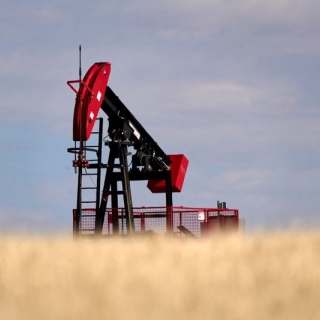
Oil prices fell on Wednesday after reports indicated the United States is renewing its push to end Russia's war in Ukraine and has drafted a framework for it.
Brent crude futures fell $1.63, or 2.5%, to $63.26 a barrel 12:15 p.m. ET (1715 GMT), while U.S. West Texas Intermediate crude futures were down $1.56, or 2.6%, to $59.18.
The U.S. has signaled to Ukraine President Volodymyr Zelenskiy that his side must accept the U.S.-drafted framework to end the war, which proposes Kyiv giving up territory and some weapons, two sources told Reuters.
An end to the war in Ukraine might pave the way for higher Russian oil flows, adding to oversupply concerns, analysts said.
"With the amount of oil on the water, in floating storage and what has been sanctioned, prices will probably end up in the low 50s as all of that oil that is sanctioned from Russia will probably come to market," said Scott Shelton, energy specialist at TP ICAP Group.
The U.S. last month announced sanctions against Russian oil majors Rosneft and Lukoil, setting a November 21 deadline for companies to wind down business with the companies. The sanctions had already reduced Moscow's oil revenues and are likely to reduce the amount of oil it can sell in the long-term, the U.S. Treasury said on Monday.
"There is maximum pressure right now as Friday's deadline is looming," said Rystad Energy oil analyst Janiv Shah, adding that a lower geopolitical risk premium would leave investors focusing more closely on weak market fundamentals.
Russia's Deputy Prime Minister Alexander Novak denied that the sanctions were impacting oil production, and said Russia will reach its OPEC+ production quota by the end of this year or early next year.
Keeping oil's declines in check, the U.S. Energy Information Administration on Wednesday reported a larger-than-expected draw from U.S. crude stockpiles last week on higher refinery runs and exports.
Source: Investing.com
Oil prices stabilized on Thursday (February 12th), as the market reassigned a risk premium to US-Iran tensions despite US inventory data showing swelling domestic supplies. This movement confirms one ...
Oil prices rose on Wednesday (February 11th), supported by a combination of geopolitical risk premiums from US-Iran tensions and more solid Asian demand signals particularly from India which helped ea...
Oil remained in the green zone on Tuesday (February 10th), as the market refused to abandon the Middle East risk premium. As of 13:07 GMT (20:07 WIB), Brent rose +0.4% to $69.32/barrel, while WTI rose...
Oil prices fell about 1% on Monday as concerns about conflict in the Middle East eased slightly. The market calmed after the US and Iran agreed to resume talks on Tehran's nuclear program, reducing fe...
Oil prices moved slightly higher in a volatile session on Friday, as investors assessed the direction of nuclear negotiations between the United States and Iran. Price movements appeared sensitive to ...
Oil prices stabilized on Thursday (February 12th), as the market reassigned a risk premium to US-Iran tensions despite US inventory data showing swelling domestic supplies. This movement confirms one thing: geopolitical headlines are still more...
Gold prices weakened slightly on Thursday (February 12th), as more solid US employment data reduced market confidence in an imminent Federal Reserve interest rate cut. The strong employment data prompted market participants to shift expectations of...
The Hang Seng Index reversed its downward trend in Hong Kong on Thursday (February 12th), weakening by around 0.9% to around 27,000 after a strong session earlier. This decline halted the momentum of the short term rally, as investors began to...